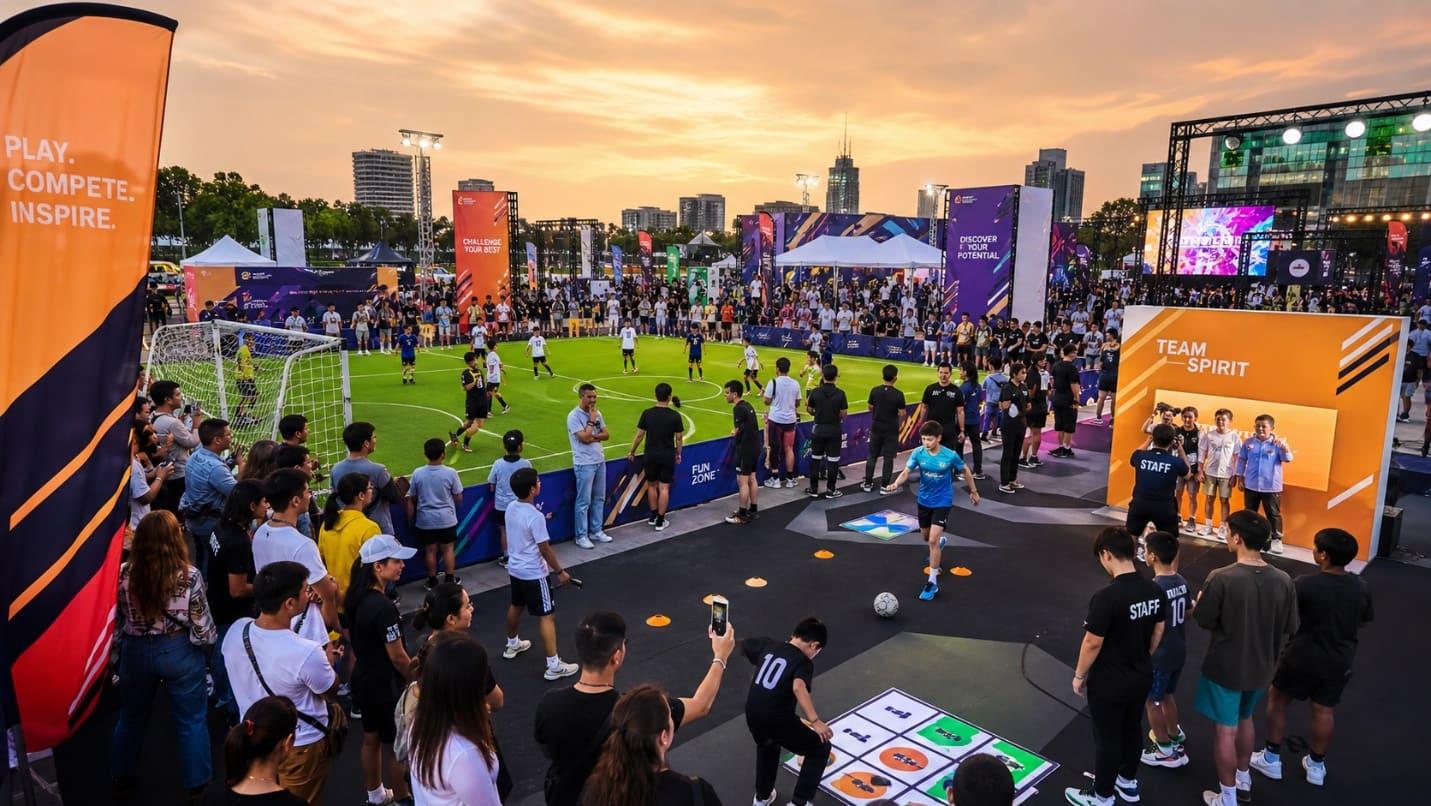
Sports and fan engagement events are powerful platforms that bring youth, fans, communities, and brands together through energy, emotion, competition, and shared experiences. These events are not only about playing a game or watching a performance. They are about creating a lively environment where people can participate, connect, celebrate, and feel part of something bigger.
A well-planned sports event can inspire youth, build community spirit, promote healthy competition, and create strong audience engagement. At the same time, it gives brands a meaningful opportunity to connect directly with their target audience through creative activations, interactive zones, and memorable on-ground experiences.
What Are Sports and Fan Engagement Events?
Sports and fan engagement events are specially designed events where sports activities, audience interaction, entertainment, and brand experiences come together.
These events may include tournaments, fan festivals, youth sports competitions, interactive games, challenge zones, brand activation booths, prize contests, entertainment segments, and community-based sports programs.
Key elements include:
- Sports tournaments
- Fan engagement zones
- Interactive games and challenges
- Youth participation activities
- Brand activation areas
- Prize contests and giveaways
- Entertainment segments
- Team registration and coordination
- Audience movement and crowd management
- On-ground branding and sponsor visibility
Why These Events Matter
Sports have the power to bring people together. They create excitement, emotion, teamwork, discipline, and unity. Fan engagement events make that experience even stronger by allowing the audience to actively participate instead of only watching.
These events matter because they help to:
- Inspire youth participation in sports
- Promote teamwork and sportsmanship
- Build community connection
- Create healthy competition
- Increase audience engagement
- Encourage active lifestyles
- Give brands direct audience access
- Create memorable public experiences
- Strengthen sponsor visibility
- Build long-term emotional connection
Youth Participation and Development
One of the most important goals of sports events is to involve youth in positive, active, and meaningful experiences. Many young people are looking for platforms where they can show talent, build confidence, and connect with others.
Sports and fan engagement events can create that opportunity.
Youth-focused benefits include:
- Encouraging young people to play sports
- Helping them discover their talent
- Building confidence and discipline
- Creating leadership opportunities
- Promoting teamwork and fair play
- Reducing negative habits through positive activities
- Creating a healthy competitive environment
- Giving young athletes public exposure
- Building a stronger sports culture in society
Event Concept Development
Every successful sports event starts with a strong concept. The concept defines the purpose, audience, theme, format, and overall experience of the event.
Concept development includes:
- Understanding the goal of the event
- Identifying the target audience
- Selecting the sports category
- Creating the event theme
- Planning the audience experience
- Designing fan engagement activities
- Developing sponsor integration ideas
- Creating the event identity and branding
- Planning entertainment and activity zones
Tournament Planning and Management
If the event includes a tournament, proper planning is essential. Teams, players, match schedules, rules, referees, scoring systems, and prize structures must be clearly organized.
Tournament management includes:
- Team registration
- Player verification
- Match fixture planning
- Game rules and regulations
- Referee coordination
- Scoreboard management
- Team briefing
- Match timing control
- Prize and trophy planning
- Emergency and medical support
Fan Engagement Zones
Fan engagement zones make the event more exciting and interactive. These areas allow the audience to participate in activities, enjoy games, take photos, win prizes, and connect with brands.
Fan engagement zones may include:
- Skill challenge games
- Juggle-and-win activities
- Penalty shootout challenges
- Table games
- Photo booths
- Digital engagement corners
- Merchandise zones
- Sponsor experience booths
- Lucky draw areas
- Social media challenge zones
Brand Activation Opportunities
Sports events are excellent platforms for brand activation because they attract energetic and emotionally connected audiences. Brands can use these events to create real interaction with people.
Brand activation may include:
- Product display
- Sampling activities
- Interactive games
- QR code campaigns
- Branded booths
- Giveaways and contests
- Sponsor-led challenges
- Audience data collection
- Product experience zones
- Social media engagement
Sponsorship Integration
Sponsors play an important role in large sports and fan engagement events. Proper sponsorship integration ensures that sponsors receive meaningful visibility and audience connection.
Sponsorship benefits may include:
- Naming rights
- Logo placement
- Stage or arena branding
- Team jersey branding
- Ticket or wristband branding
- Digital promotion
- Social media mentions
- LED screen visibility
- Booth or stall placement
- Product demonstration
- Prize sponsorship
- Post-event recap visibility
Venue Planning and Layout
The venue must be selected and designed based on the event type, audience size, sports format, safety needs, and engagement activities. A good layout helps the audience move easily and enjoy the event comfortably.
Venue planning includes:
- Sports ground or activity area
- Entry and exit points
- Registration desk
- Audience seating or standing areas
- Sponsor booths
- Fan engagement zones
- Food and refreshment areas
- VIP area
- Medical support corner
- Security checkpoints
- Parking and transport support
- Backstage or operations area
Crowd Management and Safety
Sports events can attract large and energetic crowds. Proper crowd management is necessary to ensure safety, comfort, and smooth movement.
Crowd management includes:
- Entry control
- Ticket or registration checking
- Audience guidance
- Queue management
- Security support
- Volunteer deployment
- Emergency exits
- Medical assistance
- Lost and found support
- Clear signage and information points
Entertainment and Experience Design
Sports events become more memorable when they include entertainment and experience-based activities. These elements keep the audience excited throughout the event.
Entertainment elements may include:
- Music performance
- DJ segment
- Host interaction
- Dance performance
- Freestyle sports show
- Prize distribution ceremony
- Team introduction
- Audience contests
- Celebrity or influencer appearance
- Closing celebration
Media and Digital Promotion
Promotion is important to attract participants, fans, sponsors, and media attention. A strong promotional plan helps build excitement before the event and keeps the audience engaged afterward.
Media and digital promotion includes:
- Event announcement posts
- Registration campaigns
- Influencer promotion
- Countdown content
- Team introduction content
- Sponsor highlight posts
- Press release support
- Media coverage coordination
- Live social media updates
- Photo and video highlights
- Post-event recap content
Influencer and Community Engagement
Influencers, athletes, youth leaders, and community figures can help promote the event and attract more audience participation. Their involvement creates trust, excitement, and digital reach.
Influencer engagement may include:
- Event announcement videos
- Behind-the-scenes content
- Challenge videos
- Team promotion
- Giveaway campaigns
- Live event coverage
- Meet-and-greet moments
- Post-event highlights
On-Ground Execution
On-ground execution is the most important stage of the event. This is when all planning becomes reality. Every team must work together to ensure smooth operations.
On-ground execution includes:
- Final venue setup
- Team and volunteer briefing
- Registration management
- Match and activity coordination
- Sponsor booth monitoring
- Crowd control
- Technical support
- Host and entertainment coordination
- Prize management
- Emergency response
- Real-time problem-solving
Post-Event Activities
The event should continue to create value even after it ends. Post-event activities help maintain audience connection, sponsor satisfaction, and future promotional value.
Post-event activities include:
- Photo and video release
- Winner announcement
- Thank-you posts
- Sponsor appreciation content
- Media coverage collection
- Audience feedback
- Performance report
- Sponsor report
- Highlight video
- Planning for future events
Types of Sports and Fan Engagement Events
Sports and fan engagement events can be designed in many formats depending on the audience, venue, and objective.
Common event types include:
- Football tournaments
- Cricket tournaments
- Futsal competitions
- Badminton tournament
- Boxing competition
- Volleyball and Handball tournament
- Swimming competition
- E-Sports tournament
- University sports events
- Youth sports festivals
- Corporate sports days
- Community sports programs
- Fan festivals
- Skill challenge events
- Brand-sponsored sports activations
- School and college sports campaigns
- Indoor sports competitions
Our Main Focus
Our main focus is to create sports events that are exciting, organized, youth-focused, and meaningful. We believe sports can inspire people, build confidence, create unity, and open new opportunities for young talents.
We focus on:
- Youth participation
- Sportsmanship
- Community engagement
- Creative fan experiences
- Smooth tournament management
- Strong brand activation
- Sponsor visibility
- Safe crowd management
- Professional production
- Memorable event execution
Conclusion
Sports and fan engagement events are more than entertainment. They are platforms for youth development, community building, brand connection, and positive social impact. With the right planning, creative activities, professional management, and strong on-ground execution, these events can create powerful experiences that inspire people and leave a lasting impression.
A well-designed sports event can encourage youth to participate, help brands connect with the right audience, and build a stronger sports culture for the future.